
A homemade cake deserves better than foil and a paper plate. A neat little box keeps it safe on the journey, makes it easy to carry, and turns a slice or a batch of cupcakes into something that feels like a proper gift. With a printable template, a sheet of card and a few minutes of folding, you can make boxes in exactly the size and style you need.
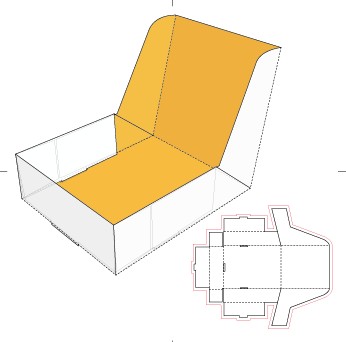
The cake box templates on this page include classic square boxes, single-slice wedge boxes, cupcake holders, favour boxes and decorative designs for weddings and parties. Some are printable nets you can cut out at home; others link to ready-made boxes for when you need larger quantities. Below the gallery you will find a guide to measuring, choosing card, assembling boxes neatly and keeping food safe.
Popular Uses for Printable Cake Boxes
Small printable boxes shine at events where you want every guest to leave with a treat. Wedding couples often send guests home with a slice of cake in a box that matches their invitations. Birthday parties use colourful boxes for take-home cupcakes, and baby showers favour pastel boxes tied with ribbon. During the holidays, a few cookies or a slice of fruit cake in a decorated box makes a thoughtful gift for neighbours, teachers or colleagues.
Home bakers and small cake businesses use printable boxes too, especially for single slices, sample tastings and market stalls. A box printed with your logo and contact details is a simple way to make a small order look professional and help customers remember where it came from.
Food safety and download notes: Printer paper, inks and craft card are not usually food-safe, so place cakes on a greaseproof liner, cupcake case or food-grade cake board rather than directly on printed card. If you sell baked goods, follow your local food hygiene, packaging and allergen labelling rules. The designs below come from a mix of craft sites, stock image libraries and shops. Two original links are no longer available and have been removed, and some remaining links go to stores selling ready-made boxes or to paid stock images rather than free printables.
Cake Box Designs and Printables

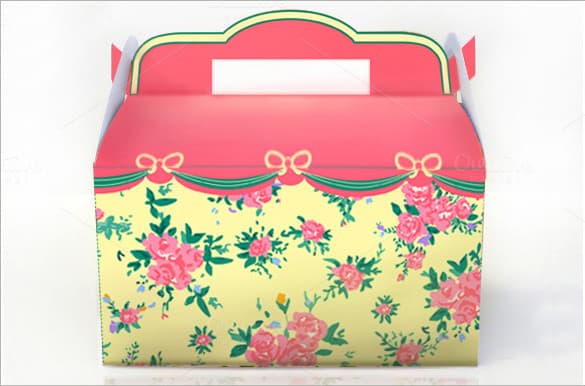
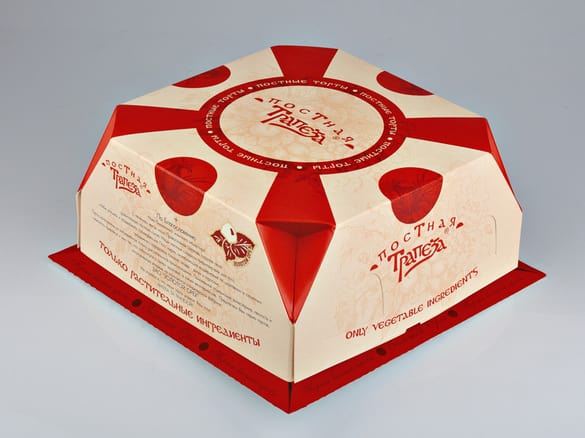
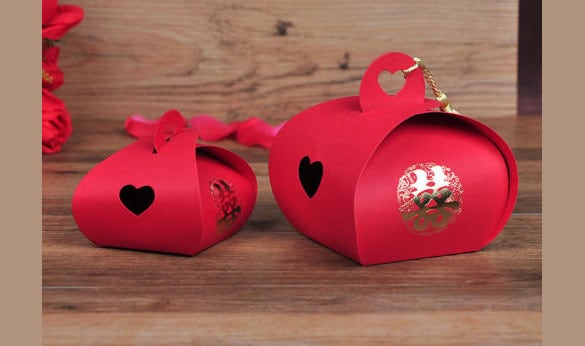
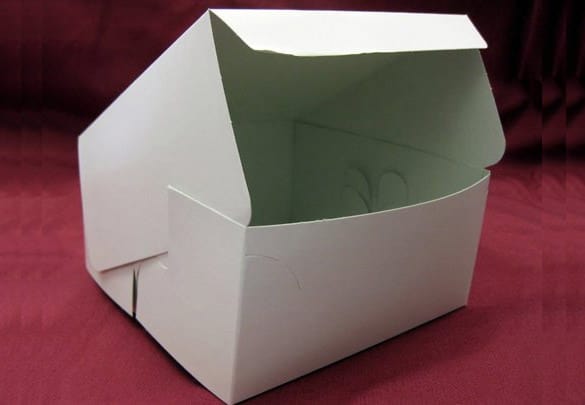
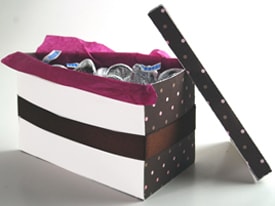
Types of Cake Boxes You Can Make
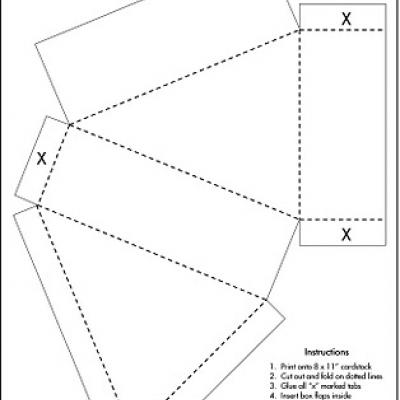
Wedge or slice boxes are shaped like a triangle of cake and are the classic choice for wedding favours. They fold from a single sheet, sit neatly in a row on a table, and hold one generous slice. Because they are small, they are quick to make in large numbers.
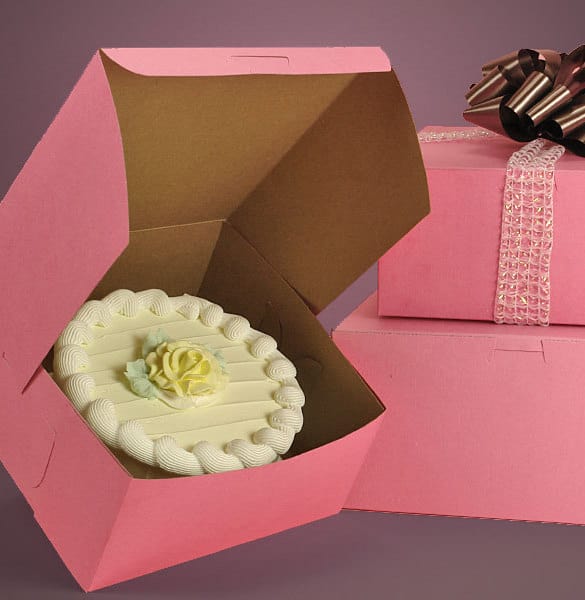
Square and rectangular boxes are the most versatile. A small square box suits a single cupcake or a couple of brownies, while a larger rectangular box can hold a loaf cake, a row of macarons or a tray of cookies. Templates with a separate lid are sturdier and easier to open without tearing.
Cupcake boxes with inserts have a card insert with round holes that keep each cupcake upright. They are ideal for transporting iced cupcakes, which otherwise slide into each other. If your template lacks an insert, you can cut one from a second sheet of card using a glass as a guide for the holes.
Pillow and favour boxes are curved, pocket-like boxes that close with tucked ends. They are perfect for small treats such as cookies, fudge or sugared almonds rather than soft cake, and they look elegant tied with a thin ribbon.
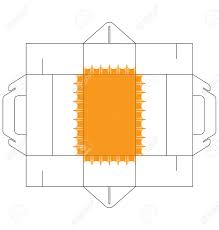
Gable boxes have a handle at the top and are easy for children to carry, which makes them popular for party take-home treats. They usually need slightly heavier card to support the weight when carried by the handle.
Measuring for the Right Size
A box that is too tight squashes icing, and one that is too loose lets the cake slide around. Measure the widest point of your cake, slice or cupcake, including any decorations, and add a little clearance: around half a centimetre to a centimetre on each side is usually enough. Measure the height from the base to the tallest point of the frosting or topper, then add a similar margin so the lid does not touch it.
Most printable templates are designed for a specific finished size. To change it, scale the whole template evenly in your printer settings or image editor rather than stretching it in one direction, which distorts tabs and folds. If you need a very different shape, such as a tall box for a layered cake, look for a template with separate base and lid pieces, which are easier to adjust than a single folded net.
Choosing Card and Printing
Ordinary printer paper is too flimsy for anything heavier than a cookie. For slices and cupcakes, use card of roughly 200 to 300 gsm, which most home printers can handle if you feed one sheet at a time through the manual tray. Heavier card holds its shape better but can crack along folds, so score the fold lines first with a blunt knife, an empty ballpoint pen or a bone folder and a ruler.
Print a single test copy on plain paper before using your good card. Cut and fold it to check the size and make sure the printed design lands on the outside faces. Some templates need to be printed double-sided or have elements that appear upside down on the flat net so they face the right way once folded.
Assembling Your Box Step by Step
- Print the template at 100 percent scale (turn off “fit to page” if the size matters).
- Cut around the outer lines with sharp scissors or a craft knife on a cutting mat.
- Score every fold line using a ruler and a blunt tool.
- Fold along each scored line, creasing firmly with your fingernail or a bone folder.
- Apply glue or double-sided tape to the tabs and press them in place, holding for a few seconds.
- Let the glue dry fully before adding a liner and your cake.
- Close the lid and finish with ribbon, twine, a sticker or a printed label.
If you are making a large batch for a wedding or party, set up a small assembly line: one person cuts, another scores and folds, and a third glues. It is much faster than finishing each box individually.
Decorating and Personalising
Matching your boxes to the rest of the event makes them feel special. Use the same colours and fonts as your invitations, or print a small monogram, date or thank-you message on the lid. For a rustic wedding, kraft card and twine pair beautifully with chalkboard-style invitations. For children’s parties, bright patterns, stickers and the child’s name are always a hit.
Small bakeries can add a logo, website and social handle, plus a short line such as “Baked fresh today” or a best-before note. A small window cut into the lid, lined with clear food-safe film, lets customers see what is inside without opening the box. If you need gift bags as well, our paper bag templates follow the same print, score and fold approach.
Planning for Events
Boxes take longer to make than most people expect, so add them to your event to-do list early. A party planning checklist helps you schedule printing, assembly and filling alongside everything else. If you are hiring a caterer or baker for a large event, agree in writing who supplies boxes and packaging using a catering contract, so nothing is forgotten on the day.
For craft-loving families, box making can be a fun activity in itself. Children enjoy decorating plain boxes, and similar folding skills carry over to projects like our paper house templates.
Frequently Asked Questions
Can I put cake directly into a printed paper box?
It is better not to. Most craft card and printer inks are not certified for food contact. Use a greaseproof liner, cupcake case or food-grade board between the cake and the box.
What card weight should I use?
Around 200 to 300 gsm works well for slices, cupcakes and cookies. For heavier cakes, use thicker board or buy ready-made bakery boxes.
How do I make a box bigger or smaller?
Scale the whole template evenly when printing. Test on plain paper first, as changing the scale also changes the size of tabs and folds.
Can I sell cakes in boxes made from these templates?
Check the template’s licence for commercial use, and follow local food business rules on packaging, hygiene and allergen labelling. Many bakers use printable boxes for samples and buy food-grade boxes for main orders.
How far ahead can I make the boxes?
Empty boxes can be made weeks in advance if stored flat or nested in a dry place. Fill them as close to serving or gifting time as possible.
