
A rental verification form is the simplest way for a landlord to confirm what an applicant wrote on their rental application: where they lived, how long they stayed, what they paid, and whether they left on good terms. Instead of chasing a former landlord with vague phone calls, you send one clear page with the exact questions you need answered, plus the applicant’s signed permission to ask them.
This page collects 16 free rental verification form templates in Word format. Some are short, one-page requests you can fax or email in a minute. Others are fuller landlord reference forms with sections for payment history, lease violations, notice given, and the condition of the unit at move-out. All of them can be edited, so you can add your company name, change the questions, and save your own version for every new applicant.
Below you’ll find a quick explanation of what these forms cover, how the verification process usually runs from start to finish, and which template fits which situation. After the downloads there are tips for getting faster replies, a short list of common mistakes, and answers to the questions landlords and tenants ask most often.
What a Rental Verification Form Actually Confirms
Every landlord asks slightly different questions, but most verification forms circle around the same handful of facts. The table below shows the usual sections and why each one matters when you are comparing applicants.
| Section | What it asks | Why it helps |
|---|---|---|
| Tenancy dates | Move-in and move-out dates at the previous address | Shows whether the applicant’s rental history matches what they wrote |
| Monthly rent | The amount charged and who paid it | Lets you compare past rent with the rent at your property |
| Payment record | On-time, sometimes late, or frequently late payments | Gives a practical picture of how rent was handled |
| Notice and move-out | Whether proper notice was given and the deposit outcome | Flags tenancies that ended in a dispute |
| Lease compliance | Complaints, unauthorized occupants or pets, damage | Helps you spot issues the application leaves out |
| Re-rent question | Would the landlord rent to this person again? | A simple yes or no that often says a lot |
| Authorization | Applicant’s signature allowing the release of information | Gives the previous landlord permission to answer |
Not every form uses every section. A small landlord renting one apartment may only need dates, rent, and the re-rent question, while a property management company will usually want the full set so every file looks the same.
Who Fills Out Which Part
The applicant
The applicant provides the previous landlord’s name and contact details and signs the authorization. Without that signature many landlords and management offices will not share anything, so it is worth getting it on the same page as the questions.
The new landlord or agent
You fill in your own details, the applicant’s name, the address being verified, and where the answers should be sent. Adding a reply deadline and a direct email or fax number makes it much more likely the form comes back quickly.
The previous landlord
The current or former landlord answers the questions, signs, and dates the form. Some will add short comments. Keep in mind they are doing you a favor, so a form that takes two minutes to complete gets better results than a four-page questionnaire.
How the Verification Process Usually Works
- Collect a completed rental application with at least two years of address history, if the applicant has it.
- Have the applicant sign the authorization section of the verification form.
- Look up the previous landlord’s contact details independently where you can, rather than relying only on a phone number the applicant wrote down.
- Send the form by email, fax, or a property management portal, and note the date you sent it.
- Follow up once or twice by phone if you haven’t heard back within a few business days.
- Compare the answers with the application and with any other checks you run, such as employment verification or proof of income.
- Store the completed form with the applicant’s file and keep it private.
If you manage several units, it helps to track each application in one place. A simple rent roll template keeps current tenants, lease dates, and rent amounts together, and it is a natural next step once the new tenant signs.
Download the 16 Rental Verification Form Templates
Each template below opens in Microsoft Word. Click the Download button under the preview you like, unzip the file, and replace the sample details with your own. The headings describe the style of each form so you can pick one quickly.
Blank Rental Verification Form Template
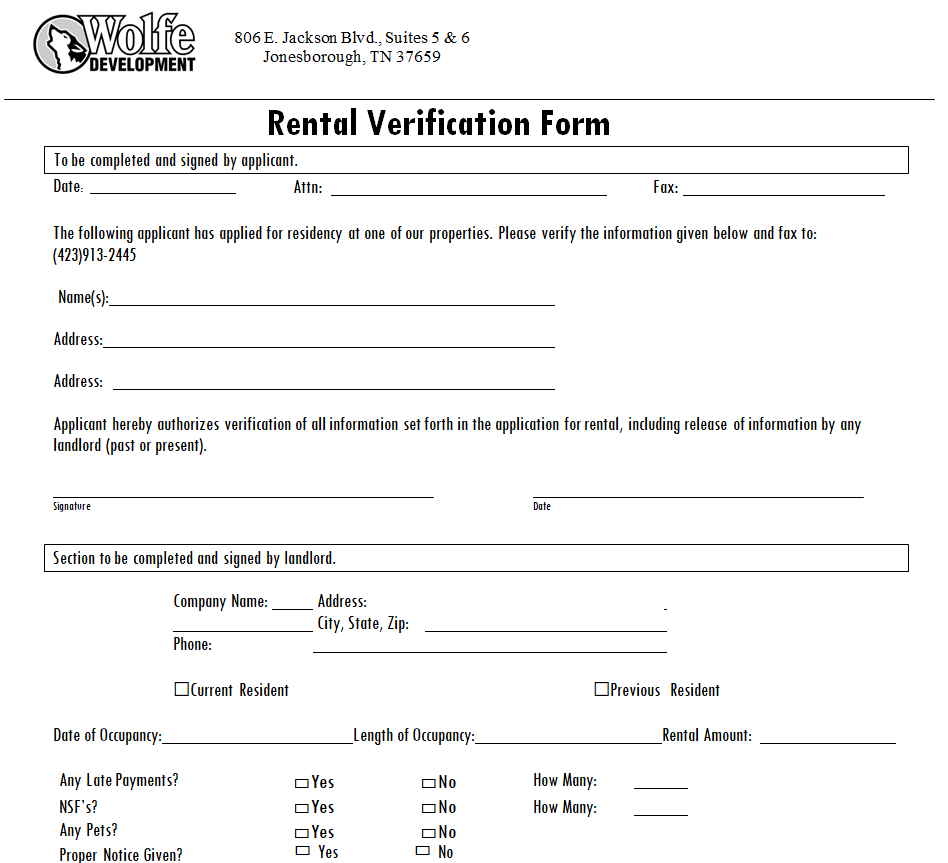
Rental / Lease Verification Form Template
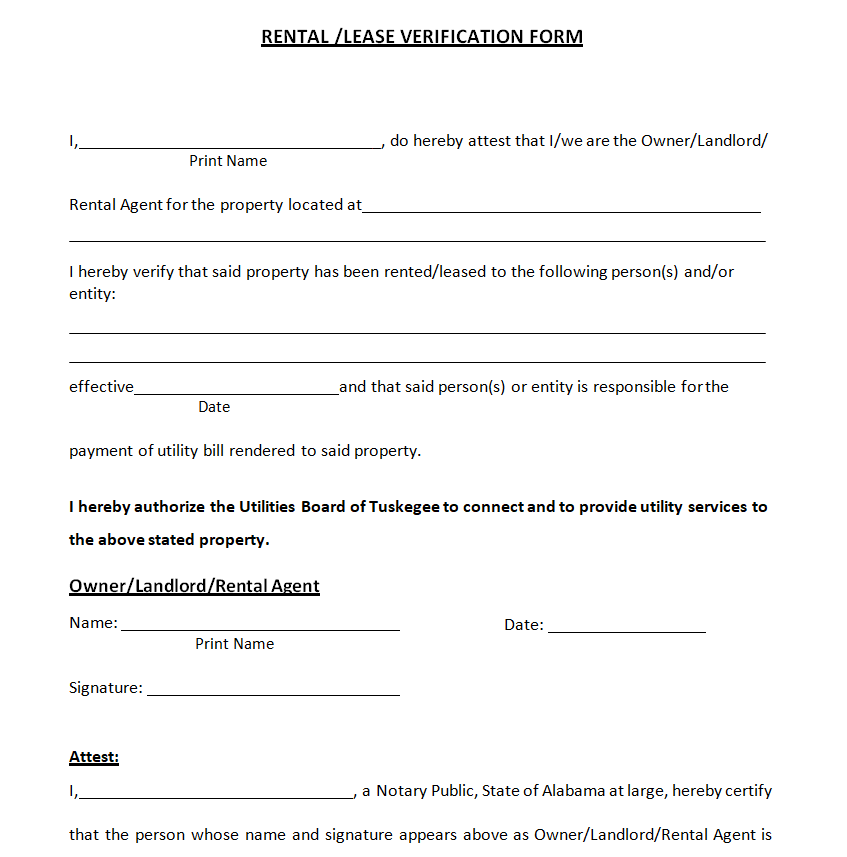
Simple Rent Verification Form Word Template
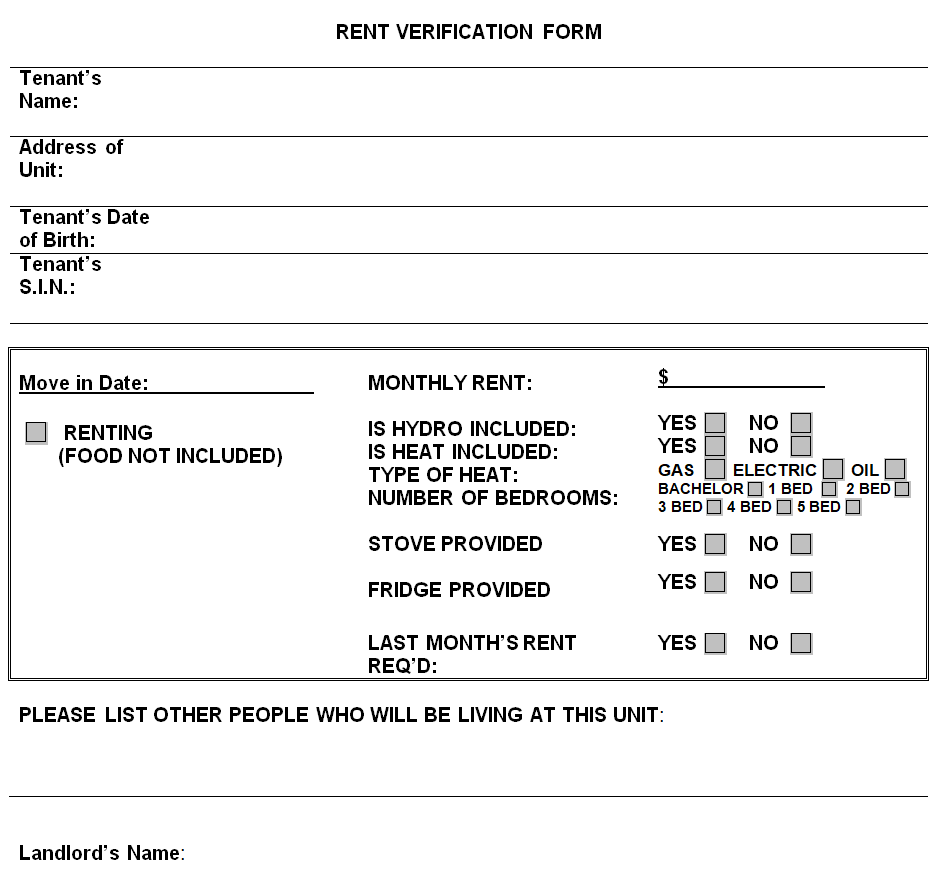
Fillable Rental Verification Form Doc Template
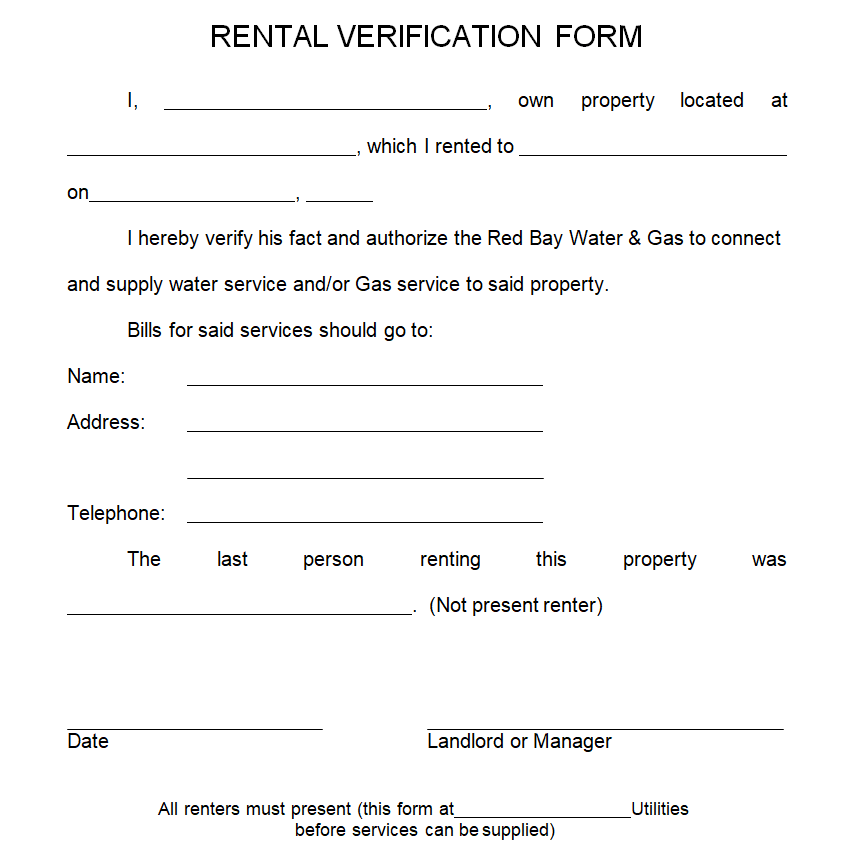
Official Rental Verification Form Sample Doc
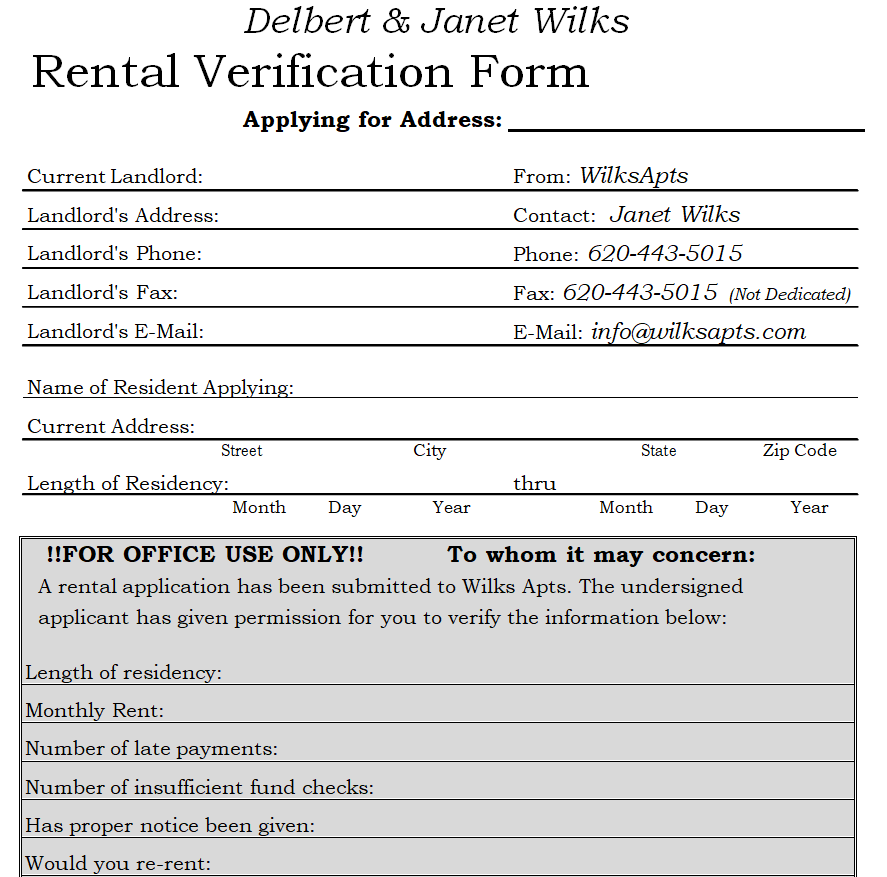
Student Rental Verification Form Example
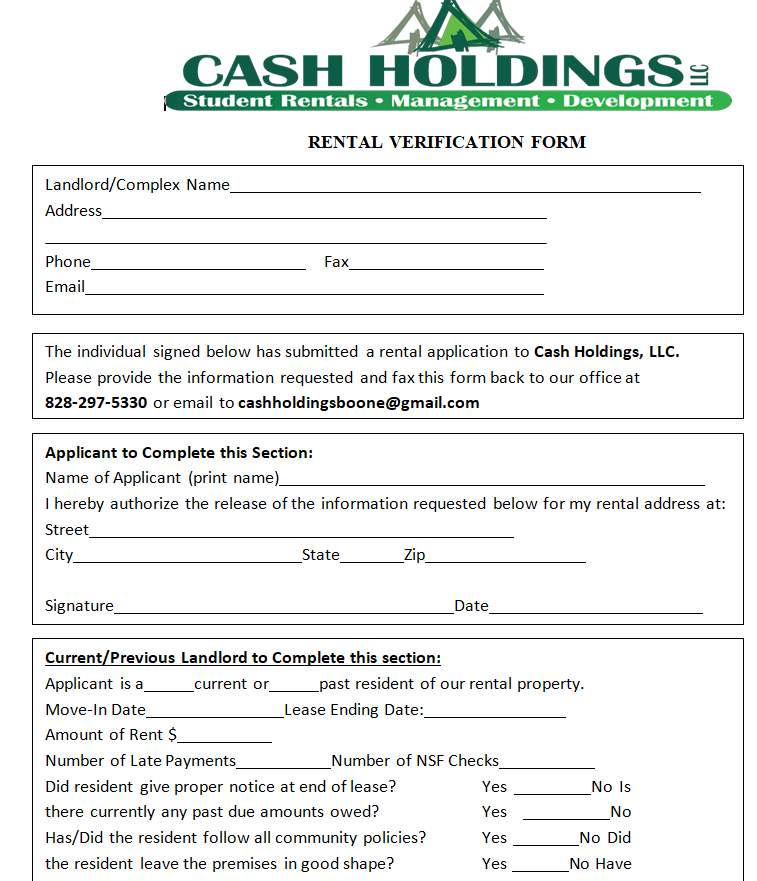
Landlord Rental Verification Form Format
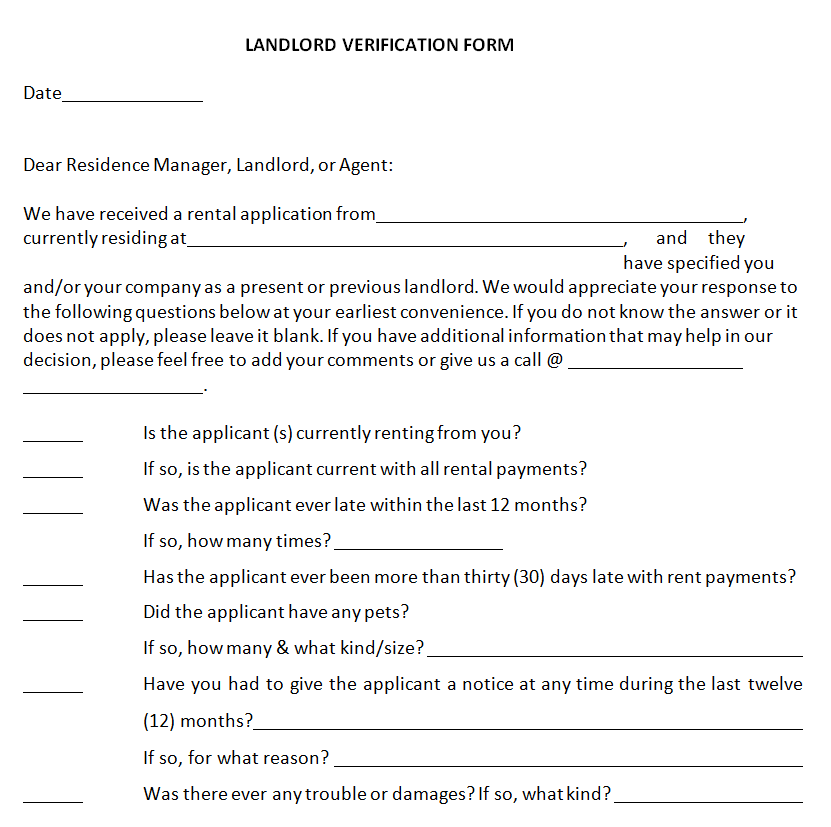
Real Estate Agent Rental Verification Form Template in MS Word Format
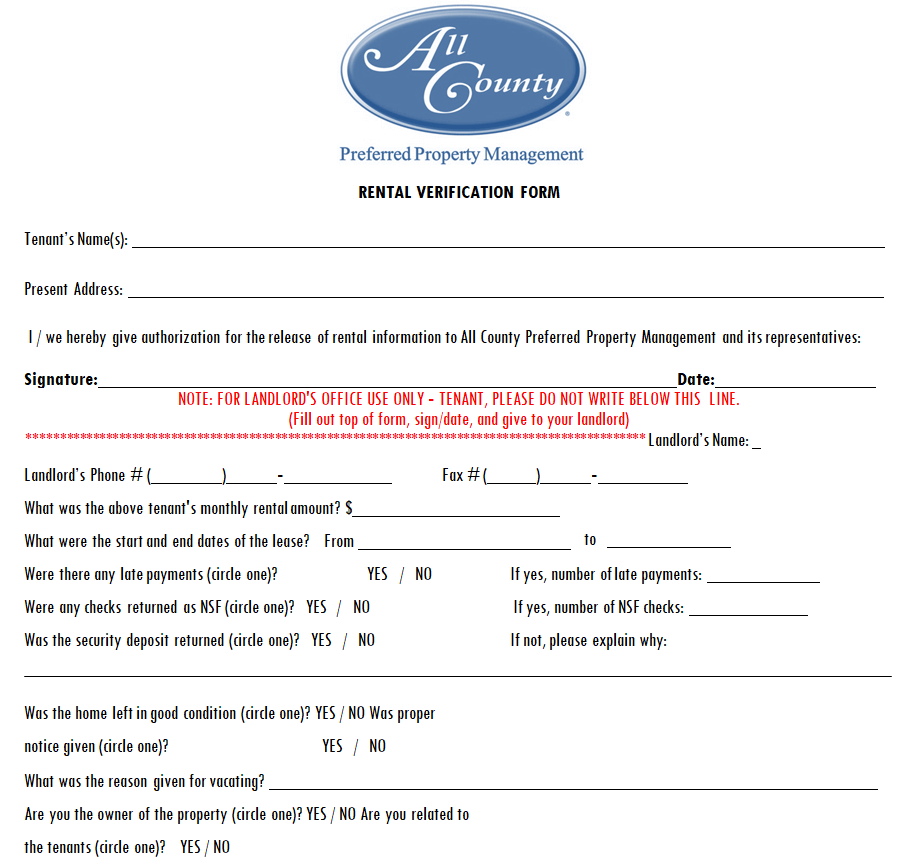
Standard Rental Verification Form Sample
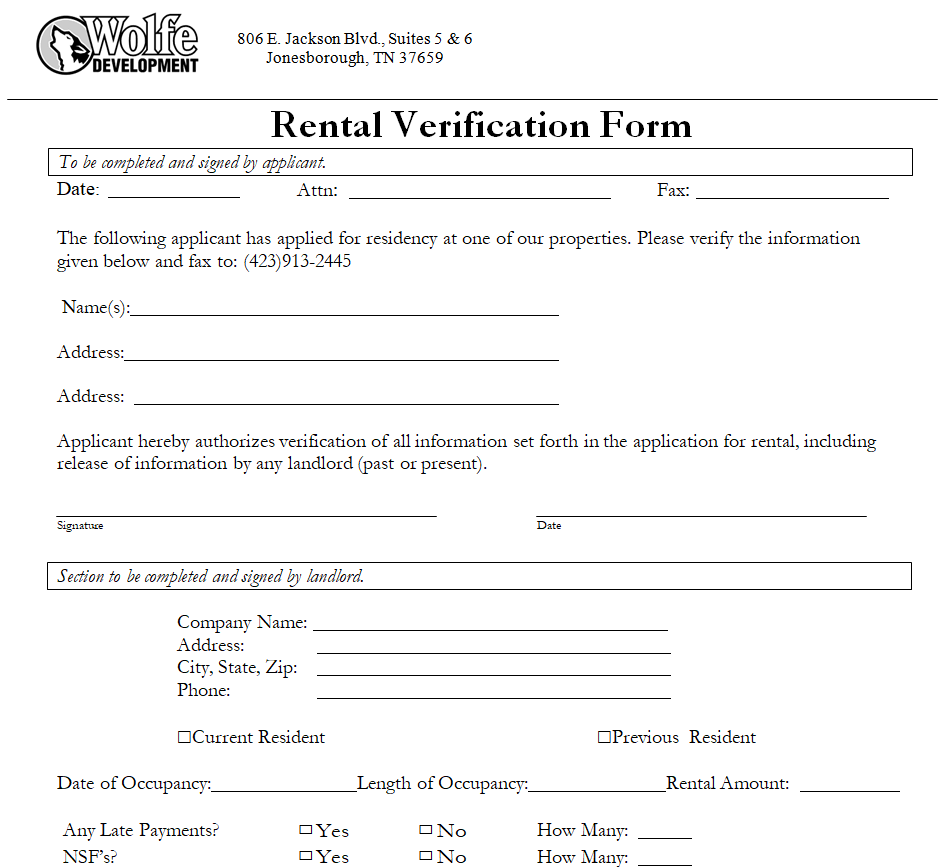
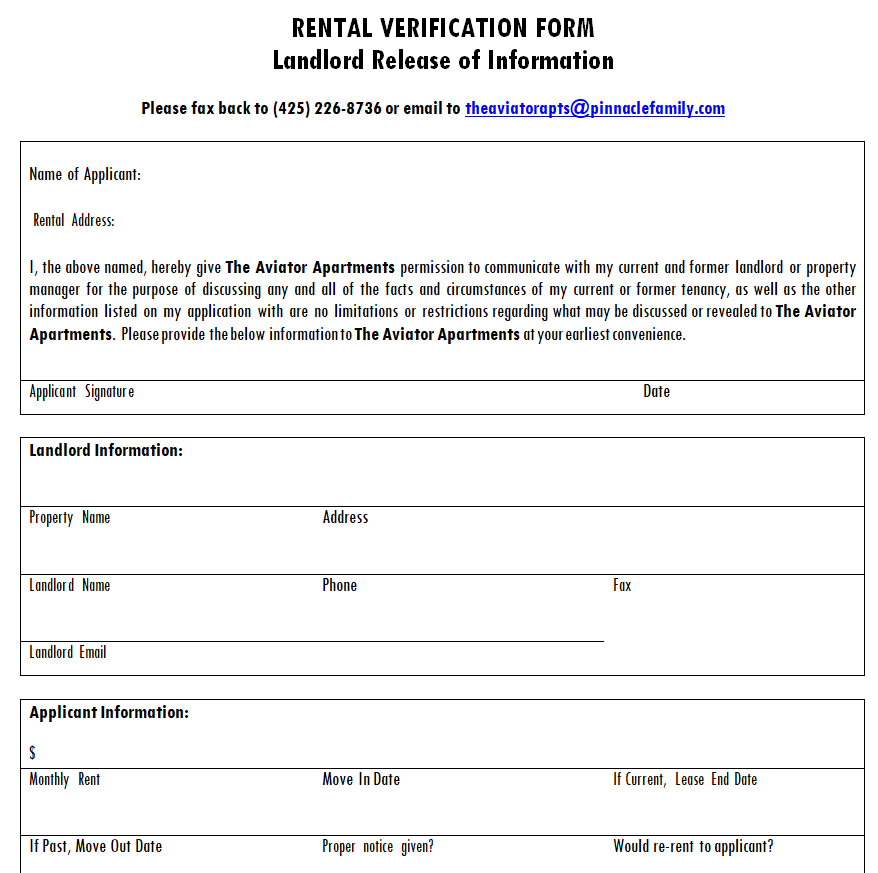
Formal Rental Verification Form Template
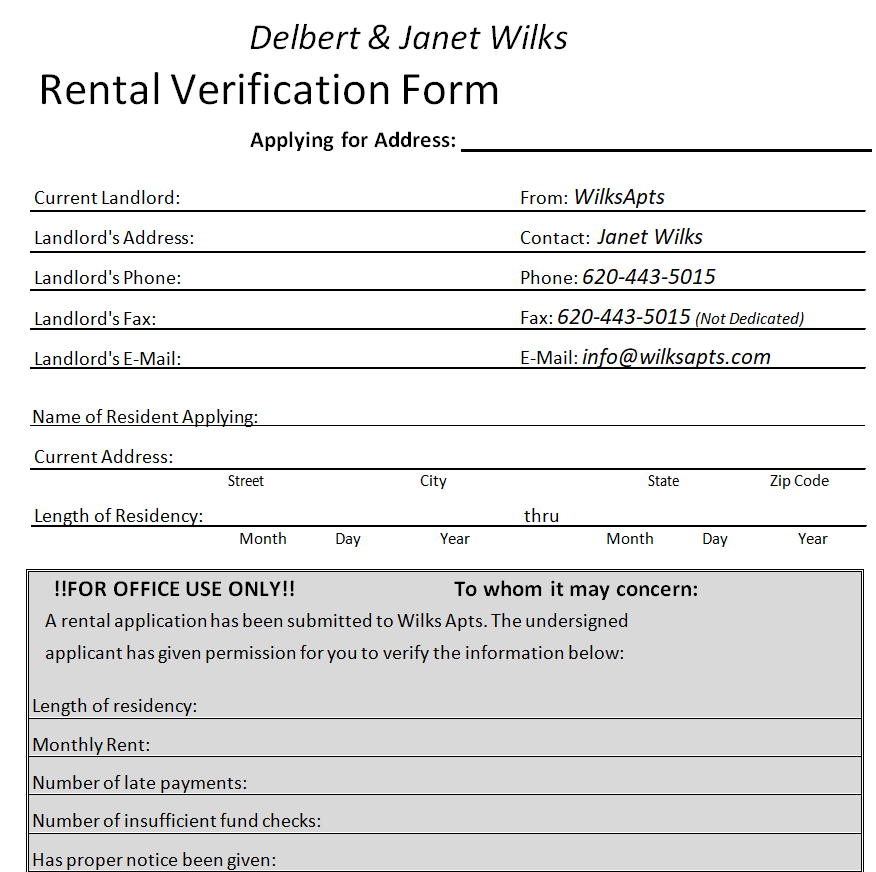
Rental Verification Form Template by a Landlord
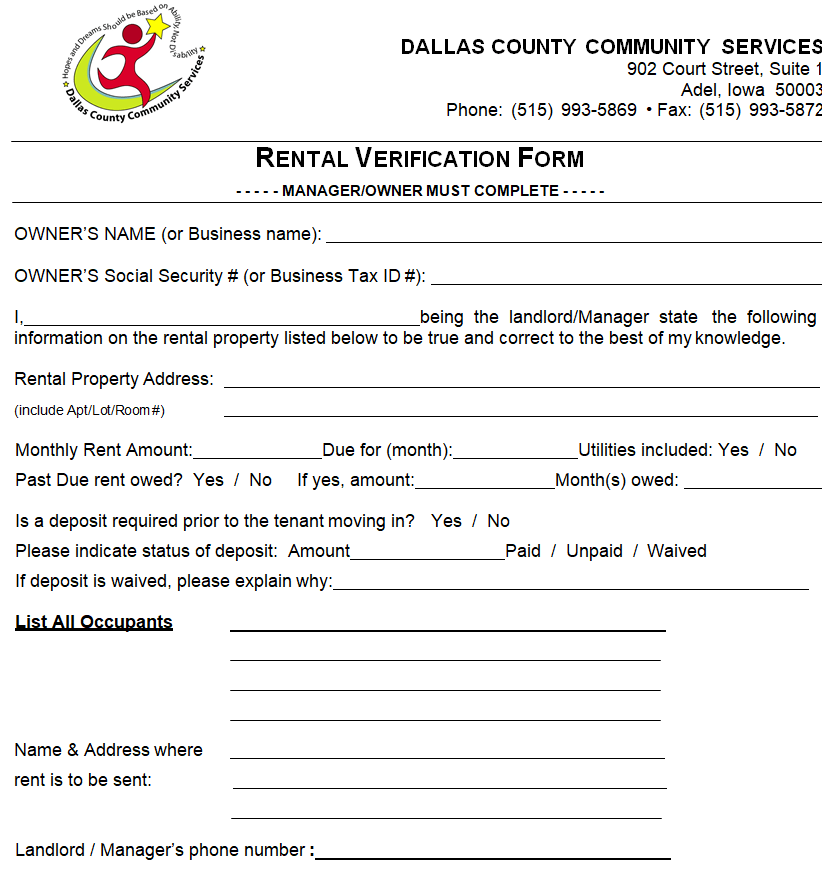
County Rental Verification Form Template
Free Printable Rental / Lease Verification Form Template
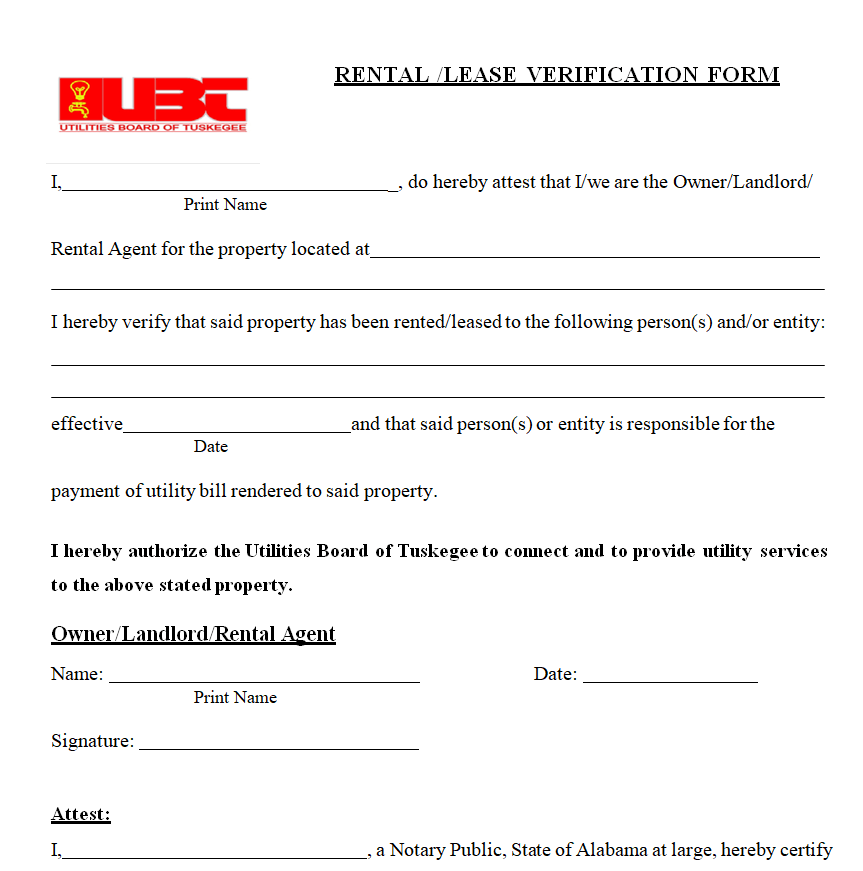
Rental Verification Form Template
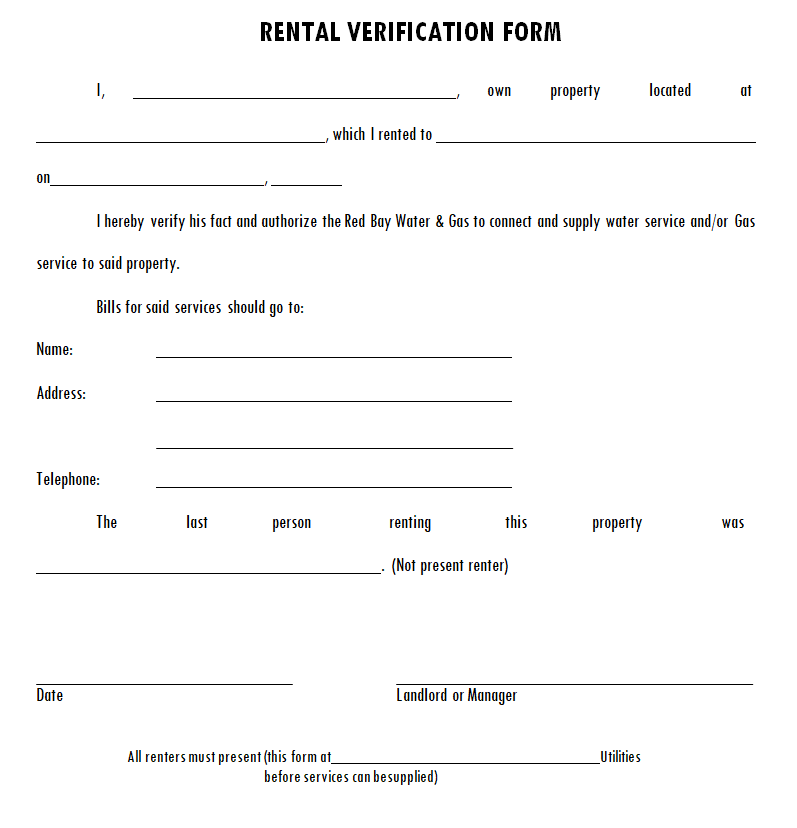
Sample Landlord Verification Form Template
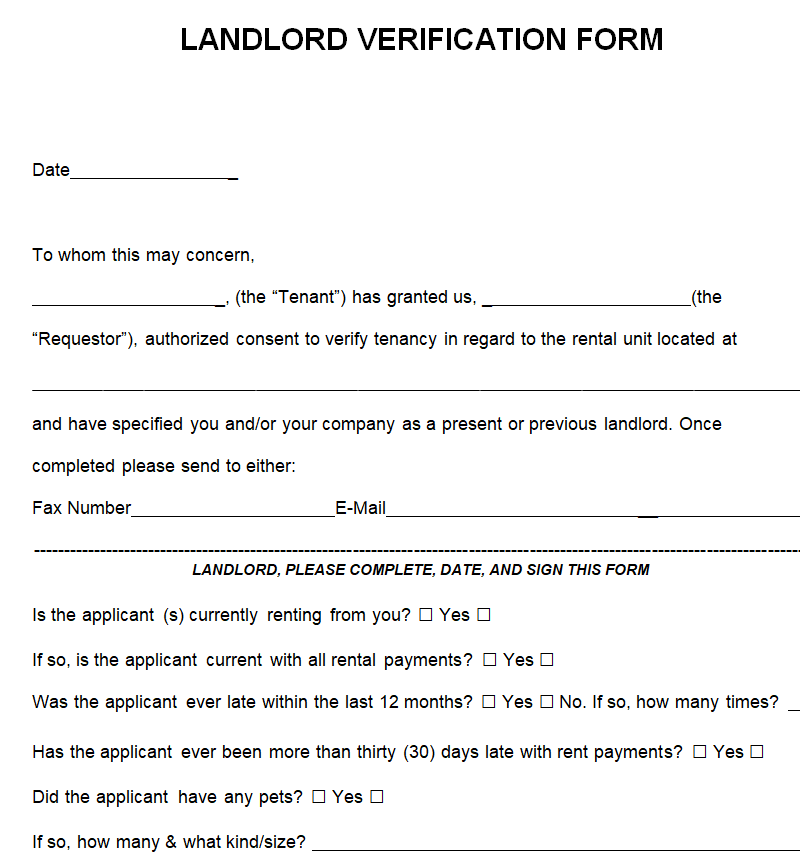
Company Rental Verification Form Template Word
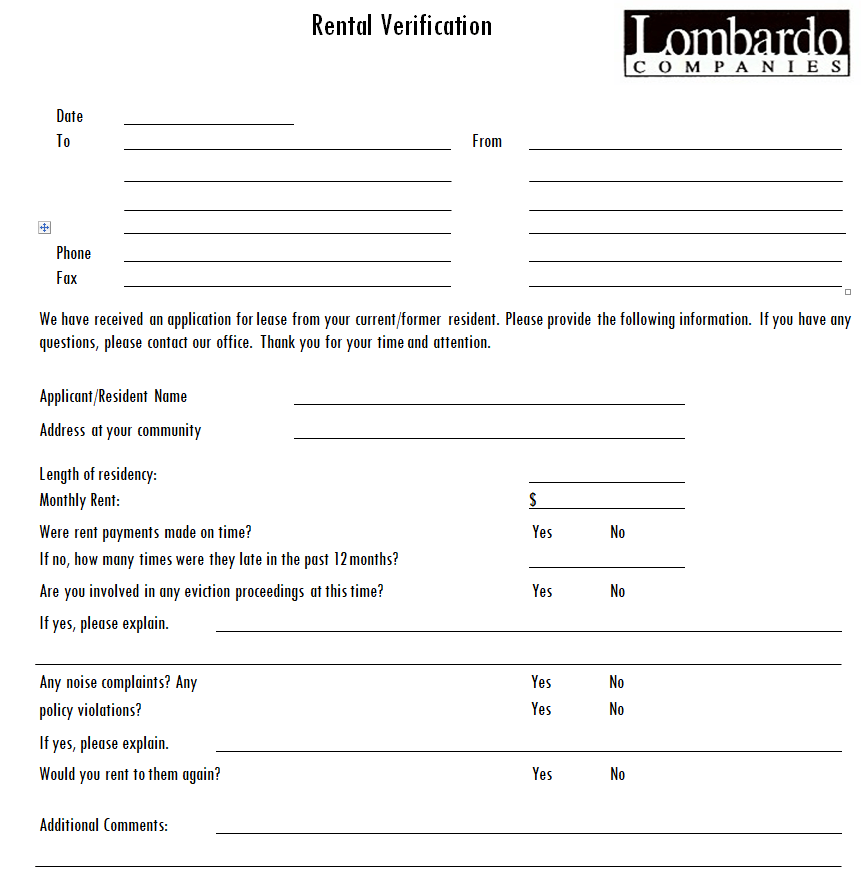
Matching a Template to Your Situation
Sixteen forms is a lot to choose from, so here is a rough guide based on who is sending the request:
- Independent landlords with one or two units: the blank, simple, or standard versions keep things short and are easy to read over the phone if the other landlord prefers to answer that way.
- Property management companies: the formal, official, or company versions have room for a logo and give every applicant file the same layout.
- Real estate and leasing agents: the agent template makes it clear you are requesting information on behalf of an owner.
- Student housing: the student example works when applicants have short or dorm-based rental histories, where a housing office may be the one answering.
- Public or subsidized housing programs: the county template is a starting point, but check whether your agency already requires its own official form.
Questions Worth Adding to Any Form
If a template is missing something you care about, add it. Keep each question factual so the previous landlord can answer without having to give an opinion they might be uncomfortable with.
- Was the applicant listed on the lease, or living there as an occupant?
- How many people lived in the unit?
- Were there any pets, and were they allowed under the lease?
- Was rent paid in full when the tenancy ended?
- Was any part of the security deposit kept, and for what reason?
- Did the applicant give the notice required by the lease?
Example: Maria applies for a two-bedroom unit and lists a previous apartment she rented for three years. The verification form comes back showing the right dates and rent, two late payments early in the lease, and a full deposit refund at move-out. Rather than a vague “good tenant” comment, the landlord now has specific facts to weigh alongside her income and other references.
Mistakes That Slow Verification Down
- Sending it without a signed authorization. Many landlords will simply not respond.
- Asking too many open questions. Checkboxes and short answers get completed; essays get ignored.
- Leaving out a return address or deadline. The form ends up in a pile with no clear next step.
- Only contacting the current landlord. A landlord who wants a tenant to leave may be overly positive, so a previous landlord’s answers are often more useful.
- Not keeping a copy. If a decision is ever questioned, you want the completed form in the file.
Once you’ve approved an applicant, the paperwork keeps going: rent receipts, move-in inspections, and keys. Our payment receipt formats cover rent and deposit receipts, the handover report templates help document the condition of a unit and the keys you hand over, and a salary certificate is one of the documents tenants are often asked to provide as proof of income.
A Quick Note on Fair Housing and Privacy
Rental screening rules vary by country, state, and city. In the United States, federal fair housing law and many state and local laws limit what you can ask and how you can use the answers, and some places restrict the use of certain records or require specific notices if you turn an applicant down. Use the same form and the same standards for every applicant, ask only for information related to the tenancy, store completed forms securely, and check with a local attorney or housing authority if you are unsure about a question. These templates are general starting points, not legal advice.
Frequently Asked Questions
Is a rental verification form the same as a rental application?
No. The application is filled in by the person who wants to rent. The verification form is sent to a current or former landlord to confirm the details the applicant provided.
Does the previous landlord have to fill it out?
Usually not. Responding is generally voluntary, which is why a short, clear form and a polite follow-up call make a real difference.
Can I edit these templates?
Yes. They are Word documents, so you can change the questions, add your logo, and save a master copy for future applicants.
How long should I wait for a response?
Many landlords set a reply deadline of a few business days and follow up by phone if the form hasn’t come back. Let the applicant know about any delay so they aren’t left wondering.
Can a tenant use one of these forms?
Yes. Some tenants fill in their own details and authorization in advance and hand the form to a new landlord, which can speed up the application.
