


Choosing a naming ceremony invitation is often the first piece of party planning new parents do, usually somewhere between night feeds and thank-you messages for baby gifts. It is a sweet moment: the card that tells family and friends your baby’s name, and invites them to celebrate it with you. Below you will find 7 invitation designs to browse for ideas, plus wording examples, etiquette pointers and a simple timeline so the invitations go out on time.
Naming ceremonies look different from family to family. Some are religious, such as a christening, an aqiqah, a namakaran or a simchat bat; others are civil or humanist ceremonies led by a celebrant; and many are relaxed gatherings at home with a cake and a toast. The invitation sets the tone for whichever kind you are planning, so it is worth a little thought.
What to Put on the Invitation
Whatever the style, guests need the same practical information. Run through this checklist before you print or send anything:
- The baby’s full name, or a hint if you are keeping it a surprise until the day
- The parents’ names, and grandparents’ names if your family tradition includes them
- Type of ceremony, such as a naming ceremony, blessing or religious rite
- Date, start time and an approximate finish time if there is a meal or reception
- Venue name and full address, with parking or access notes if helpful
- RSVP details: a phone number or email address and a reply-by date
- Dress code or any customs guests should know, such as covering heads or removing shoes
- Gift preferences, if you want to mention them, kept short and gentle
Wording Ideas You Can Borrow
Invitation wording can be formal, warm or playful. Pick a line that sounds like your family and adapt it.
Formal
Together with their families, Sarah and Daniel request the pleasure of your company at the naming ceremony of their son, Oliver James, on Saturday, the fourteenth of June, at eleven o’clock in the morning.
Warm and simple
Our little one has a name, and we would love you to hear it in person. Please join us for Amelia’s naming ceremony and a garden lunch afterward.
Faith-based
With grateful hearts we invite you to the blessing and naming of our daughter, followed by refreshments in the community hall.
The names above are placeholders, so swap in your own details. If grandparents are hosting, the opening line can name them instead: “Mr. and Mrs. Patel invite you to celebrate the naming of their granddaughter.”
Matching the Design to the Occasion
A quick way to narrow down designs is to think about where the ceremony will happen and how formal it will be.
- Place of worship: classic layouts with cream or white backgrounds, gentle borders and traditional fonts tend to fit best. Some families add a meaningful symbol or blessing line.
- Home or garden party: softer colors, illustrations of flowers, clouds or animals, and a relaxed tone feel right.
- Banquet hall or restaurant: a more polished card with a clear reception section, menu note or dress code suits a larger event.
- Cultural celebrations: many families like to include colors, motifs or a greeting in their heritage language alongside English, so every generation feels at home.
Whichever direction you choose, keep the information easy to find. Guests read the date, time and address far more often than the decorative lines.
7 Naming Ceremony Invitation Designs
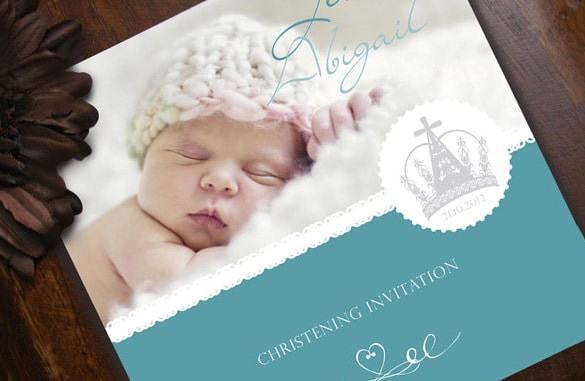
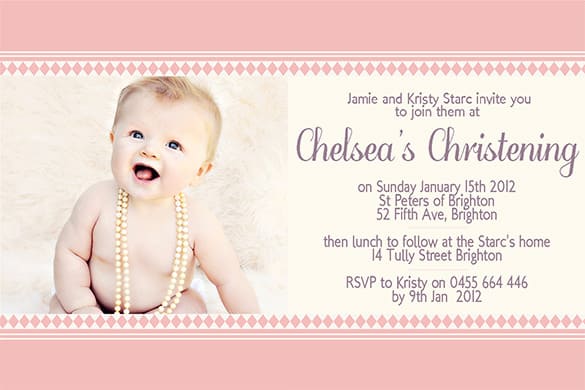
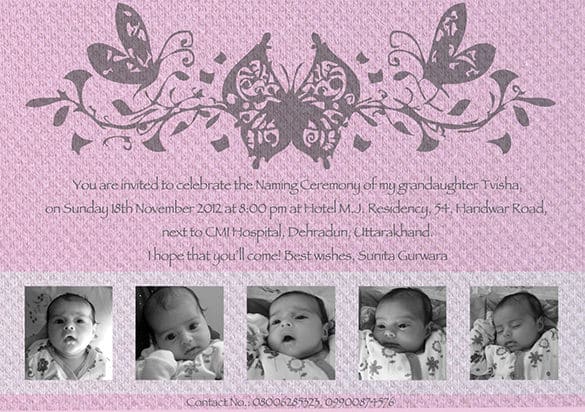
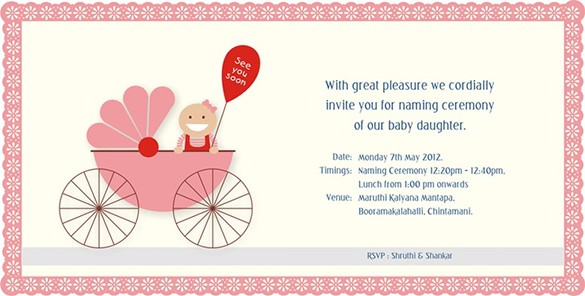
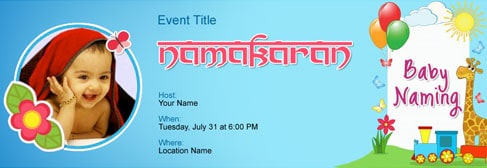
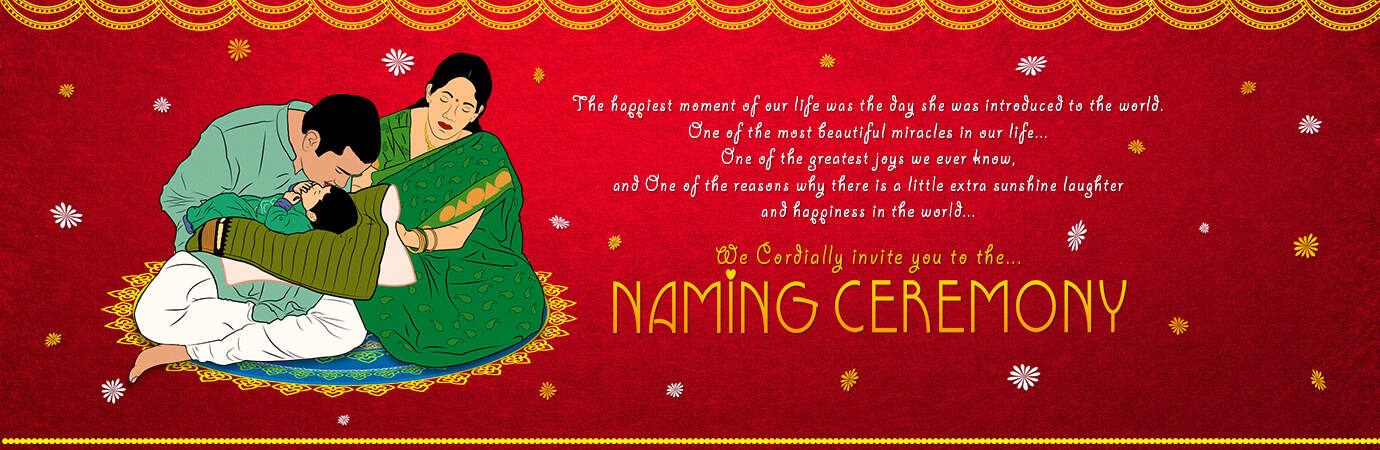
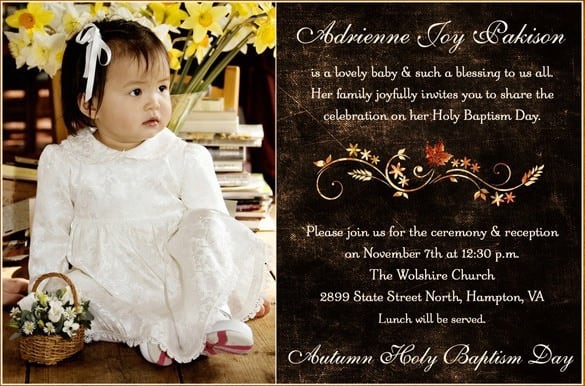
Browse the designs below for layout and color ideas. Several download buttons lead to the designer’s own page, where you can personalize or order the invitation; for designs without an active link, use the image as inspiration for your own card.
















A Simple Invitation Timeline
| When | What to do |
|---|---|
| 6 to 8 weeks before | Set the date and venue, agree on the guest list and choose a design |
| 5 weeks before | Finalize the wording, proofread the baby’s name carefully and order or print invitations |
| 4 weeks before | Mail or hand-deliver printed invitations; send digital ones to distant guests |
| 2 weeks before | Follow up gently with anyone who has not replied |
| 1 week before | Confirm numbers with the caterer or venue |
For a smaller, informal gathering, two to three weeks’ notice is usually fine. If many guests are traveling, give them more time and consider sending a save-the-date first. Our party planning checklists can help you keep track of food, decorations and seating alongside the invitations.
Printed, Digital or Both?
Printed cards feel special and often end up in a baby book or memory box, which is a nice reason to choose them for close family. Digital invitations are quicker, cheaper and easier for collecting replies. Plenty of parents mix the two: printed invitations for grandparents and close relatives, and an email invitation for friends, coworkers and anyone overseas.
If you print at home, use a heavier card stock and print one test copy first to check the colors and margins. Photos look best on matte or satin paper, and leaving a small white border avoids awkward trimming.
Design Tips for a Lovely Card
- Let the name be the star. Make it the largest text on the card, in a clear font.
- Limit fonts to two. One decorative font for the name and a simple one for the details keeps the card readable.
- Pick a soft palette. Pastels, cream and gold, or colors tied to your culture or faith all work well.
- Use a photo carefully. A single well-lit photo of the baby is enough; busy collages can crowd out the details.
- Check the spelling, then check again. A typo in the baby’s name is the one mistake everyone notices.
Planning the Ceremony Itself
The invitation is easier to write once the shape of the day is settled. A few decisions are worth making early:
Who will lead it?
Religious ceremonies are usually led by a faith leader at a place of worship or at home. Civil and humanist naming ceremonies are often led by a celebrant, though a confident friend or relative can do it for an informal gathering. Ask how long they need to prepare and whether they have a standard order of service.
Readings, promises and guide parents
Many ceremonies include a short reading or poem, a few words about why the name was chosen, and promises from parents and chosen supporters, sometimes called godparents, guide parents or mentors. If you are asking people to take on one of these roles, tell them before the invitations go out so they are not surprised.
Food and timing
Late morning or early afternoon suits most babies and older guests. A light lunch, cake or afternoon tea is usually plenty. Put the meal on the invitation so guests know whether to eat beforehand.
Budget-Friendly Ideas
- Print invitations at home on good card stock rather than ordering a full professional set.
- Send digital invitations to most guests and print just a handful for close family.
- Hold the celebration at home or in a garden, and ask a relative to help with food.
- Use one design across invitations, thank-you cards and a welcome sign for a coordinated look at little extra cost.
Small Details Guests Appreciate
A few thoughtful touches make the day easier for everyone. Mention whether children are welcome, especially if the venue is small. If the ceremony will be in a language some guests do not speak, a short line saying there will be an explanation or printed order of service helps them feel included. And if you plan to share photos afterward, a quick note asking guests to keep phones away during the ceremony itself is perfectly polite.
Many families also put together a small keepsake for the day, such as a printed family tree showing where the new baby fits in, or a later update to relatives in a family newsletter with photos from the celebration.
Frequently Asked Questions
Is a naming ceremony the same as a christening?
Not always. A christening is a Christian rite that usually includes baptism. A naming ceremony can be religious or non-religious and focuses on welcoming the baby and announcing the name. Many cultures and faiths have their own versions.
Should the baby’s name appear on the invitation?
It is up to you. Many parents include it, while others keep it as a surprise for the ceremony and simply say “join us as we name our baby.”
How many guests should I invite?
There is no rule. Some ceremonies are just close family, while others are large community events. Let your venue, budget and comfort level decide.
What should the RSVP line say?
Keep it simple: “Kindly reply to Maya at 555-0100 by May 30” works well. If you are serving a meal, you can also ask guests to mention any dietary needs and how many children will attend.
Can I make my own invitation in Word?
Yes. Choose a landscape or card-sized page, add a border or background image, and type the details in text boxes so you can move them freely. Print a test copy before running the full batch.


